Supporting recovery and resilience

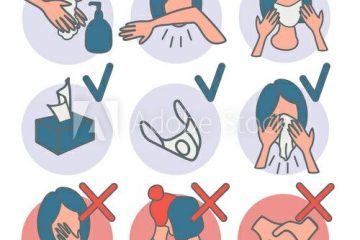
Recovering from an Ebola outbreak involves more than treating those who are ill. It also includes supporting survivors, strengthening healthcare services, and helping communities return to everyday life. By investing in education, disease surveillance, and emergency preparedness, countries can become better equipped to respond to future outbreaks and reduce their impact on public health.
Protecting Communities Through Preparedness

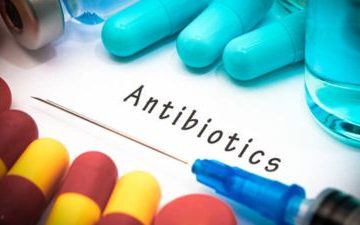
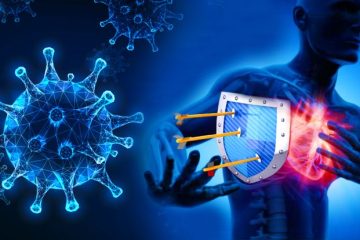
Preparedness is essential in reducing the impact of Ebola outbreaks. Strong healthcare systems, trained medical personnel, and informed communities help ensure that cases are identified and managed quickly. Regular public health education, access to reliable information, and cooperation with health authorities all contribute to preventing the spread of the virus and protecting the well-being of individuals and families.

Working together to stop EBOLA

Controlling Ebola requires cooperation between individuals, healthcare workers, communities, and governments. Public health teams work to identify cases, trace contacts, provide medical care, and educate the public about ways to reduce transmission. By following health recommendations, reporting symptoms promptly, and supporting outbreak response efforts, everyone can contribute to limiting the spread of the disease and protecting their communities.

Why public awareness matters

Public awareness is one of the most effective ways to prevent the spread of Ebola. When people understand how the virus is transmitted, recognize its early symptoms, and know when to seek medical care, outbreaks can be detected and contained more quickly. Accurate information also helps reduce fear, stigma, and misinformation, encouraging communities to work together to protect public health.

Understanding EBOLA

Ebola is a serious viral disease that affects humans and other primates. It is caused by the Ebola virus and can lead to severe illness if not treated promptly. Early detection, proper medical care, and public awareness play a vital role in reducing its spread and saving lives. Our goal is to provide reliable information about Ebola, including its causes, symptoms, prevention methods, and treatment options, so that communities can make informed health decisions.